Project summary:
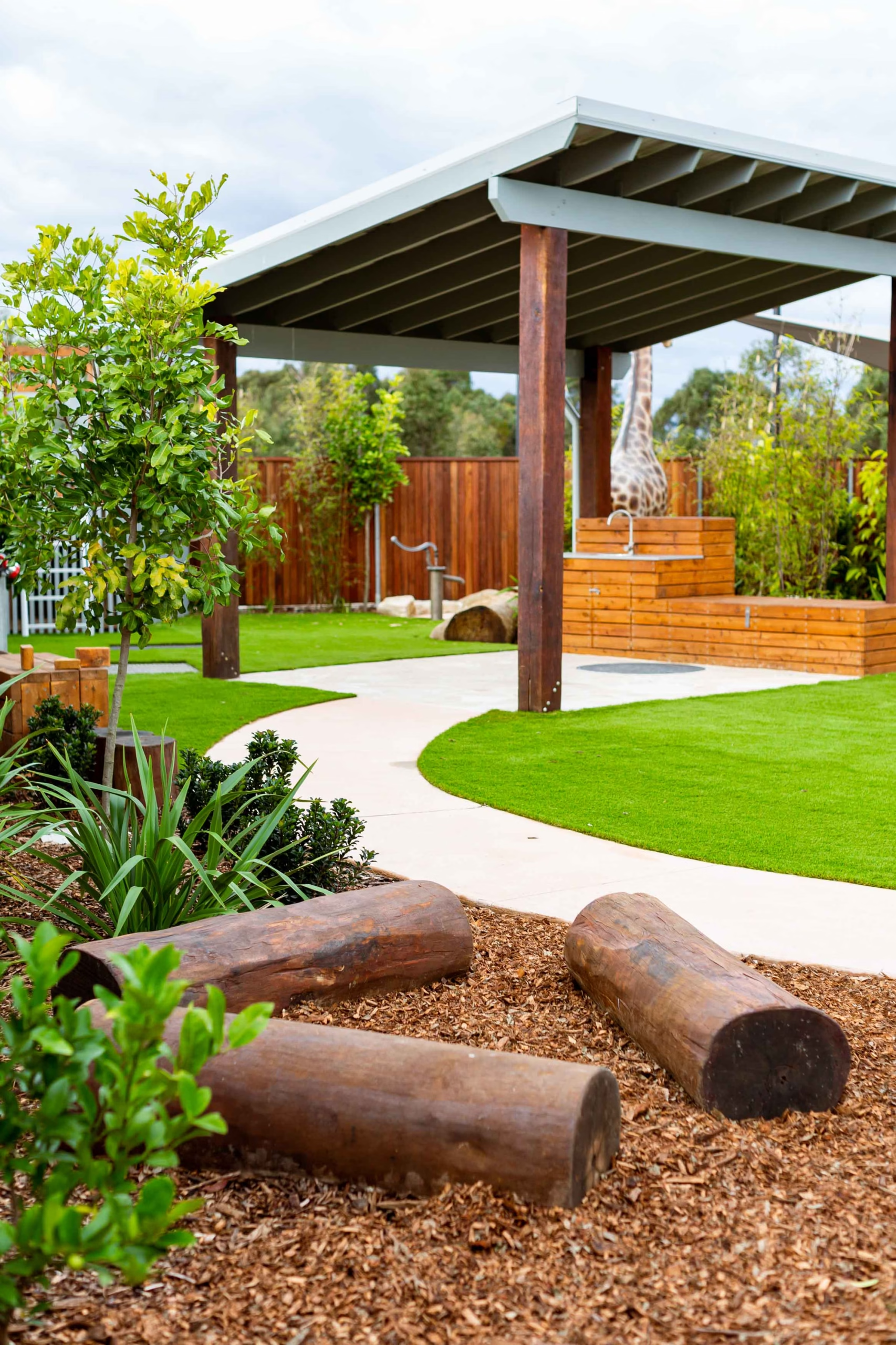
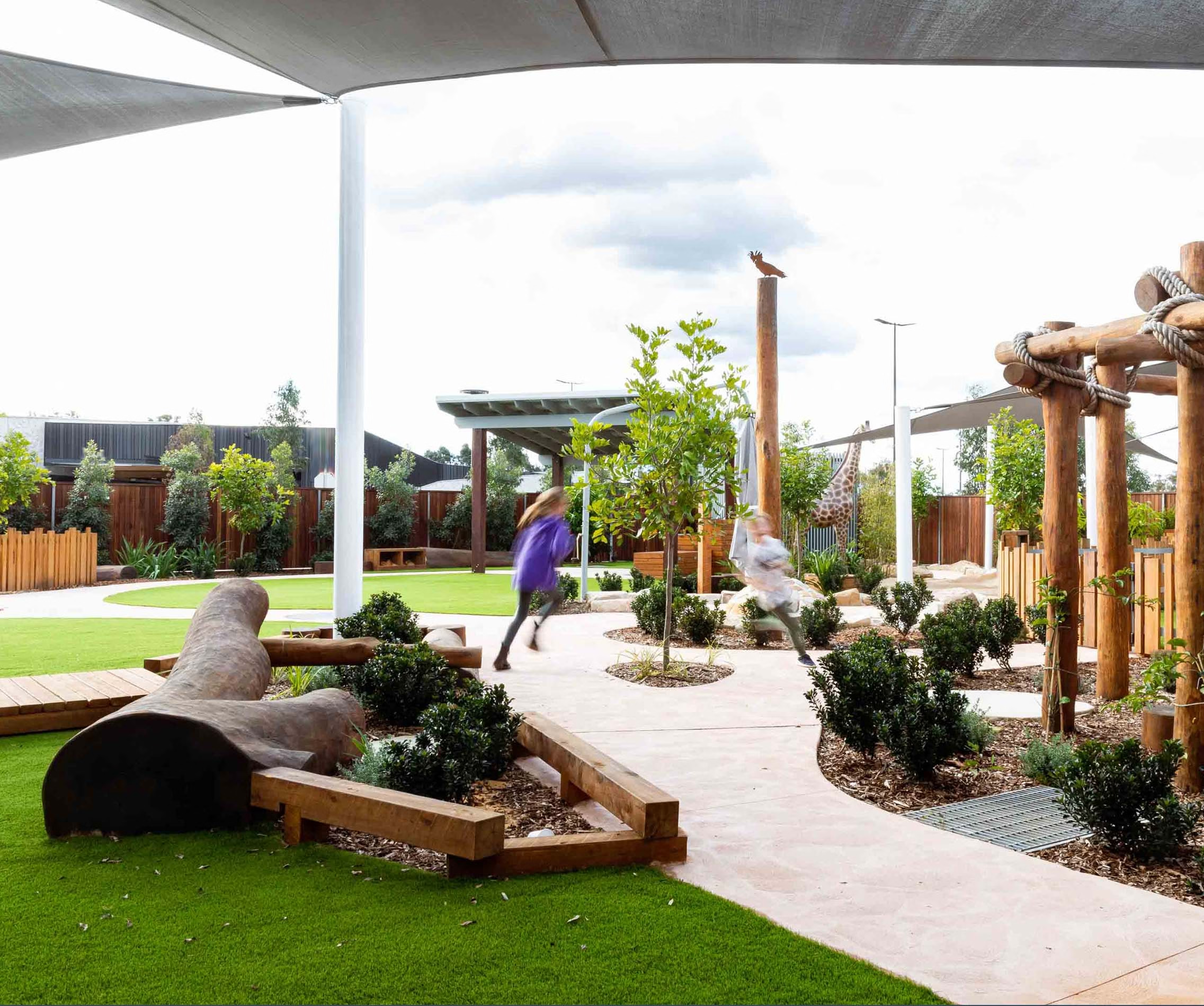
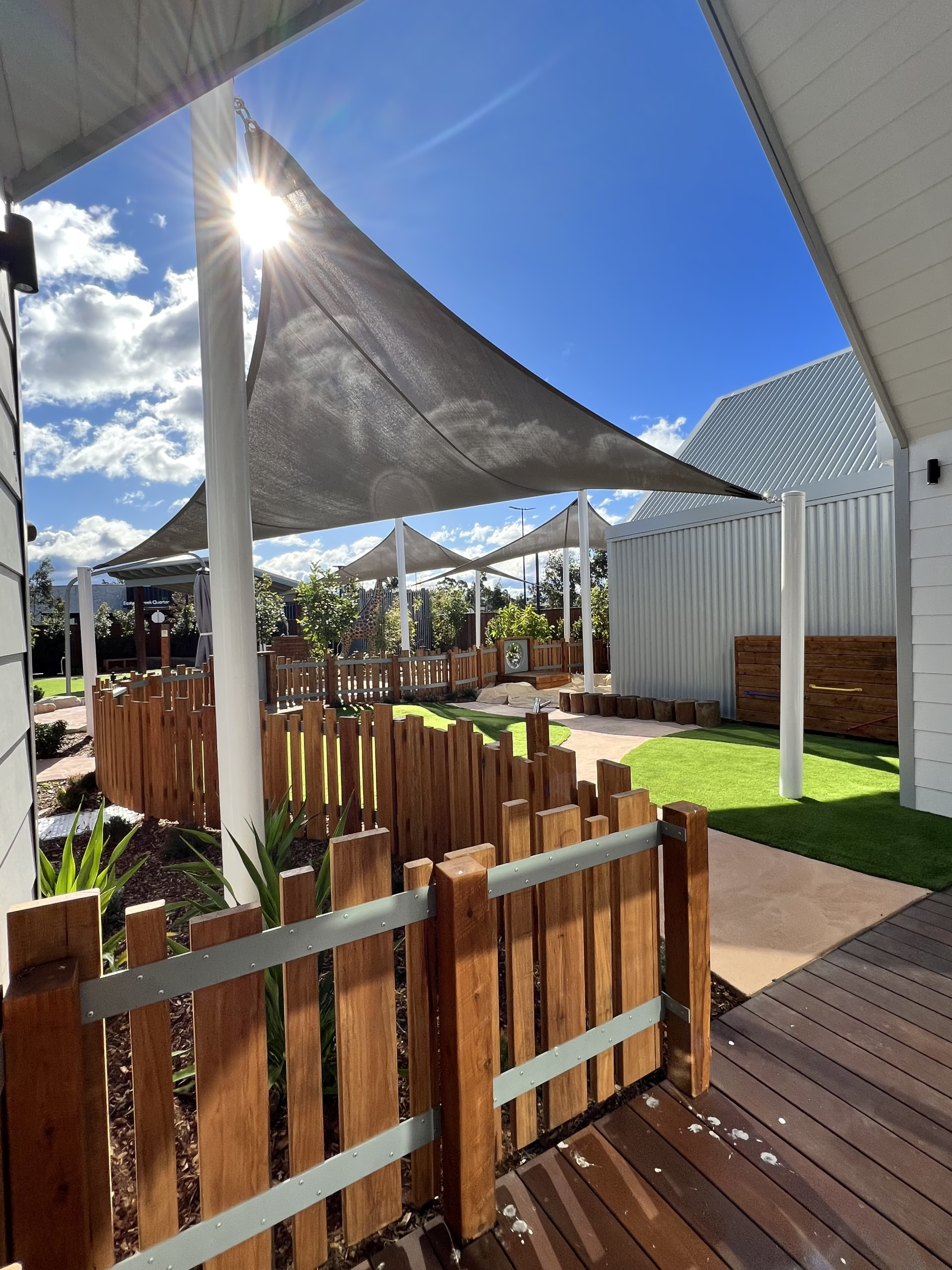
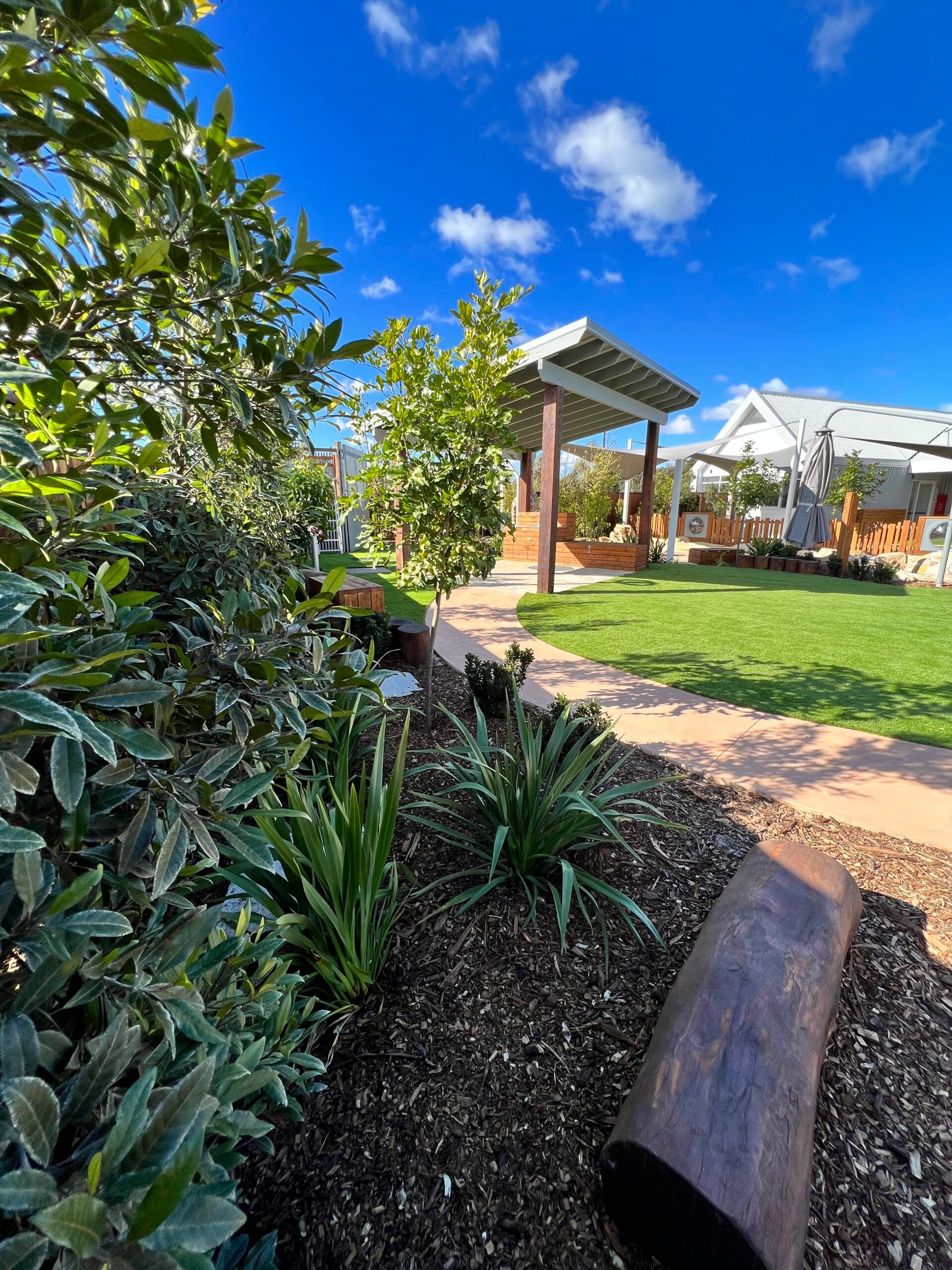
The outdoor learning environment is intentionally oriented away from the surrounding urban context, establishing a calm and immersive retreat that fosters exploration, engagement, and sensory connection. Through a composition of flowing organic lines, the landscape is articulated into a series of distinct activity zones—each defined and softened by layered planting, shade trees, and natural materials including rustic timber fencing.
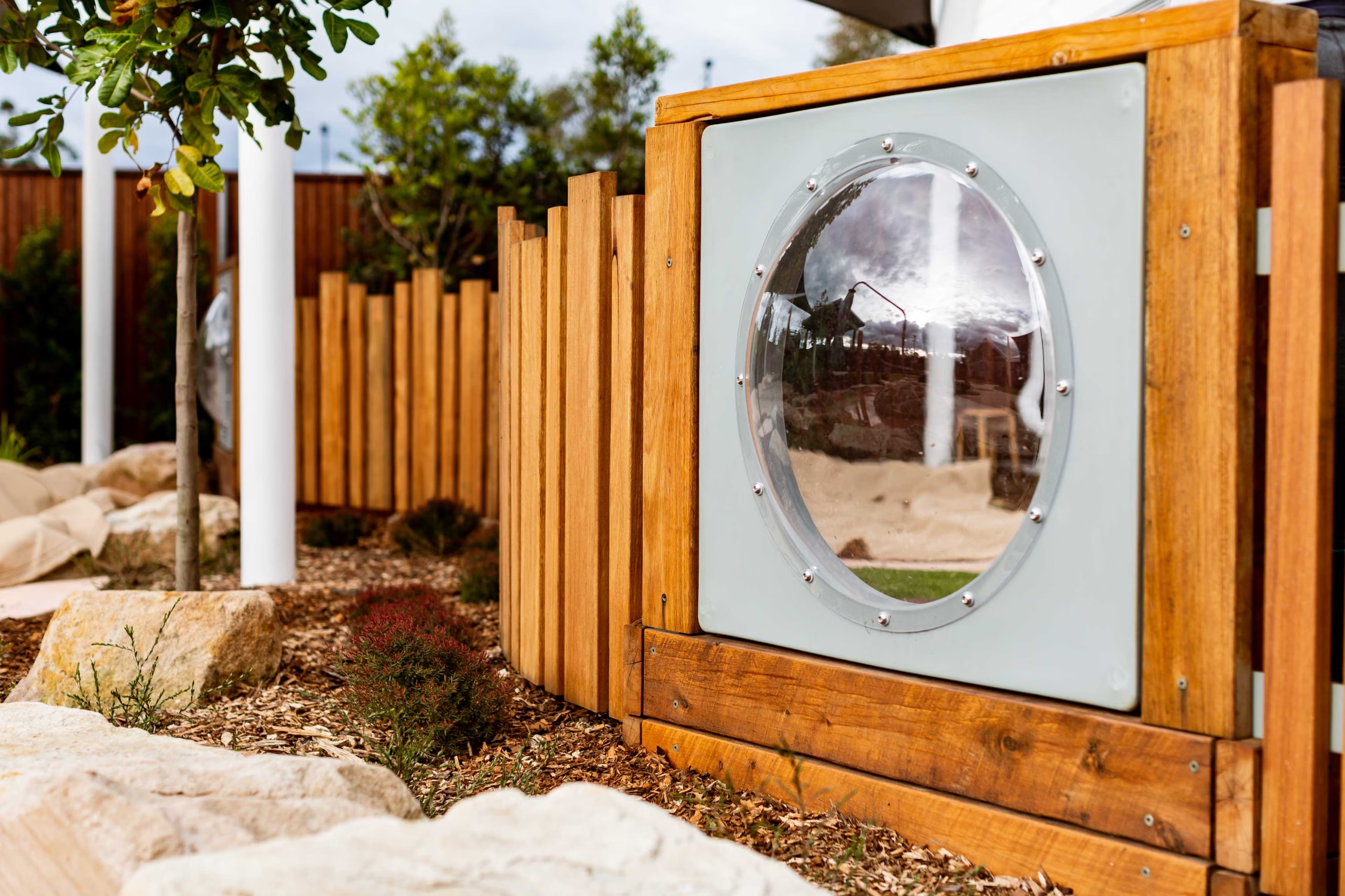
The design strikes a careful balance between high-energy, gross motor play and quiet, contemplative moments. Large open areas support active, boisterous play, while smaller passive nooks provide opportunities for rest, reflection, and low-arousal engagement. These secluded spaces are enhanced with textural planting palettes and passive play elements that invite inquiry and sensory interaction, including STEM-focused materials and tactile surfaces.
Key Features
- Water play
- Sand play
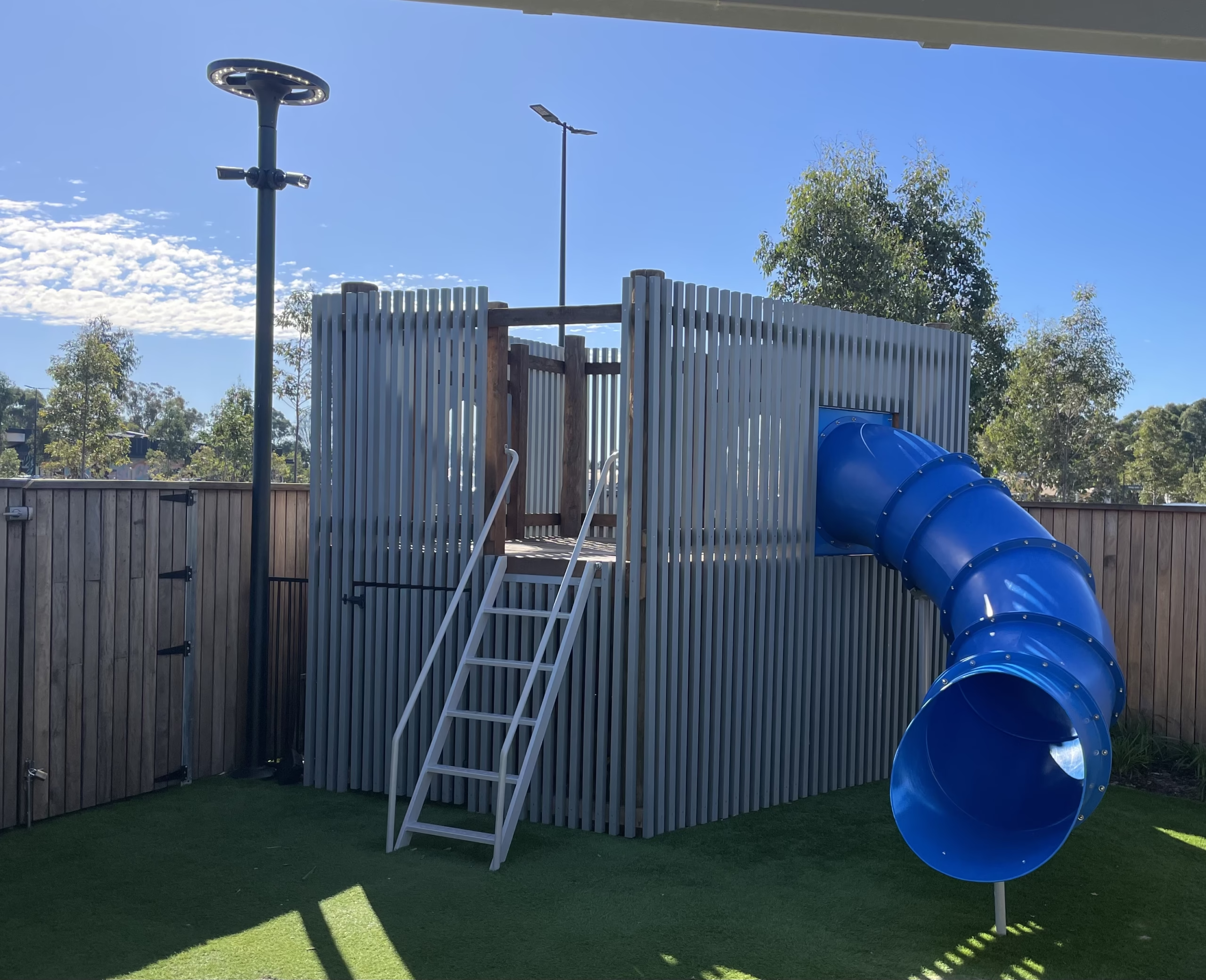
- Active play zone
- C.O.L.A
- Passive nooks
- Productive gardens
- Connective pathways for exploration
- Loose parts play
- Tee pee
- Reading circle
- Seating nooks
- Native habitat gardens
- Tree protection
- Fencing
- Clear spatial division by age group and activity type